

A single-phase electric meter is a crucial device for measuring the electrical energy consumption in residential and small commercial settings. As a supplier of Electric Single Phase Meters, I've encountered various issues related to faulty meters. Recognizing the signs of a faulty meter is essential for both consumers and utility providers to ensure accurate billing and proper functioning of the electrical system.
1. Inconsistent Readings
One of the most obvious signs of a faulty electric single-phase meter is inconsistent readings. If you notice that your meter readings are fluctuating erratically without any corresponding change in your electricity usage, it could be a sign of a problem. For example, you may find that the meter shows a significant increase in consumption over a short period when you haven't added any new electrical appliances or changed your usage patterns.
This inconsistency can be caused by several factors. A loose connection within the meter can lead to intermittent electrical contact, resulting in inaccurate readings. Additionally, internal component failures, such as a malfunctioning sensor or a damaged circuit board, can also cause the meter to display inconsistent values.
2. Unusual Noise
A properly functioning electric single-phase meter should operate silently. If you hear any unusual noises coming from the meter, such as buzzing, humming, or clicking sounds, it could indicate a problem. These noises may be a sign of electrical arcing, which occurs when there is a breakdown in the insulation within the meter. Electrical arcing can not only damage the meter but also pose a safety hazard, as it can potentially lead to a fire.
Another possible cause of unusual noise is a mechanical issue within the meter. For example, a worn-out gear or a loose part can cause the meter to make noise as it operates. In some cases, the noise may be due to external factors, such as vibrations from nearby machinery or equipment. However, if the noise persists even after eliminating these external factors, it's important to have the meter inspected by a professional.
3. Overheating
Overheating is another sign of a faulty electric single-phase meter. If the meter feels hot to the touch, it could indicate a problem with the electrical components inside. Overheating can be caused by a variety of factors, including excessive current flow, a short circuit, or a malfunctioning transformer.
Excessive current flow can occur if there is a problem with the electrical load connected to the meter. For example, if you have too many high-power appliances running simultaneously, it can cause the meter to overheat. A short circuit, on the other hand, can occur when there is a direct connection between two conductors within the meter, bypassing the normal electrical path. This can cause a large amount of current to flow through the meter, leading to overheating.
A malfunctioning transformer can also cause the meter to overheat. The transformer is responsible for stepping down the high voltage from the power grid to a lower voltage that can be used by the meter. If the transformer is not functioning properly, it can cause the meter to receive too much voltage, resulting in overheating.
4. Incorrect Billing
If you notice that your electricity bills are significantly higher or lower than usual, it could be a sign of a faulty electric single-phase meter. Incorrect billing can occur if the meter is not accurately measuring the amount of electricity you are using. This can be due to a variety of factors, including a malfunctioning meter, a problem with the meter's calibration, or a tampering with the meter.
A malfunctioning meter can cause inaccurate readings, resulting in incorrect billing. For example, if the meter is not registering the correct amount of electricity usage, it can cause your bill to be higher or lower than it should be. A problem with the meter's calibration can also lead to incorrect billing. The meter needs to be calibrated regularly to ensure accurate readings. If the calibration is off, it can cause the meter to display incorrect values.
Tampering with the meter is another possible cause of incorrect billing. Some people may try to manipulate the meter to reduce their electricity bills. This can be done by physically altering the meter or by using electronic devices to interfere with its operation. Tampering with the meter is illegal and can result in serious consequences.

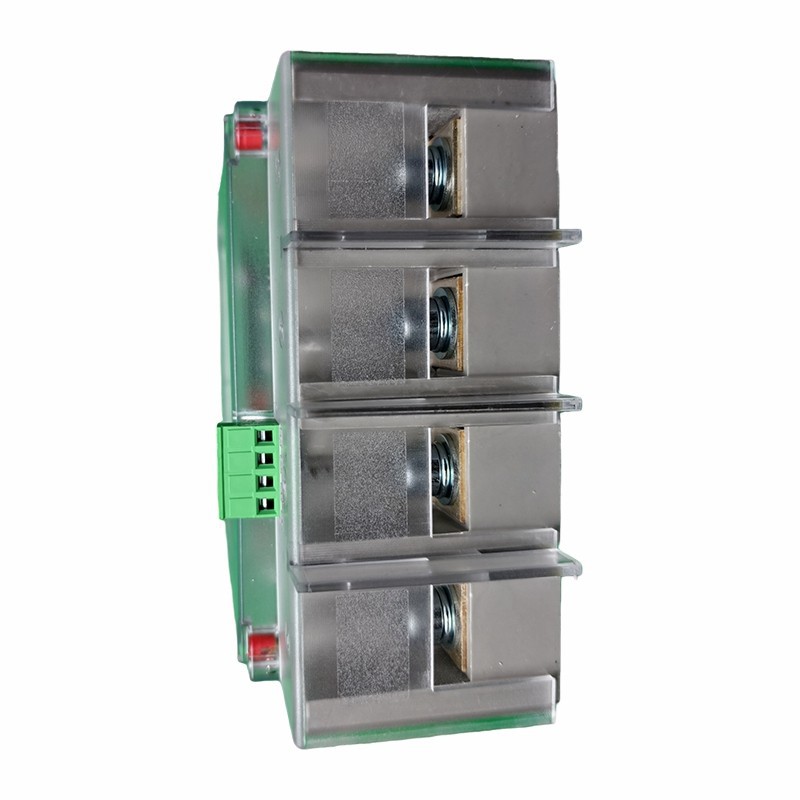
5. Slow or Fast Meter Movement
The movement of the meter's dial or digital display can also indicate a problem. If the meter is moving too slowly, it may not be accurately measuring the amount of electricity you are using. This can result in lower electricity bills, but it also means that you may be using more electricity than you are being billed for.
On the other hand, if the meter is moving too fast, it may be overestimating the amount of electricity you are using. This can result in higher electricity bills, which can be a financial burden for consumers. Slow or fast meter movement can be caused by a variety of factors, including a malfunctioning meter, a problem with the meter's calibration, or a tampering with the meter.
6. Visible Damage
Visible damage to the meter is another sign of a problem. If you notice any cracks, dents, or other physical damage to the meter, it could indicate that the meter has been damaged or tampered with. Physical damage can affect the meter's accuracy and functionality, and it should be replaced as soon as possible.
In addition to physical damage, you should also look for signs of water damage or corrosion. Water can seep into the meter and cause damage to the electrical components, leading to inaccurate readings or a complete failure of the meter. Corrosion can also occur over time, especially in areas with high humidity or exposure to chemicals.
Conclusion
As a supplier of Electric Single Phase Meters, I understand the importance of ensuring the accuracy and reliability of these devices. Recognizing the signs of a faulty meter is crucial for both consumers and utility providers to avoid inaccurate billing and potential safety hazards. If you notice any of the signs mentioned above, it's important to have the meter inspected by a professional as soon as possible.
If you are in the market for a new electric single-phase meter or need to replace a faulty one, we offer a wide range of high-quality meters to meet your needs. Our meters are designed to provide accurate and reliable readings, and they are backed by our commitment to customer satisfaction. For more information about our products, including Electric Meter Three Phase, Three-phase High-power Energy Meter, and Single Electric Meter, please feel free to contact us to discuss your requirements and start a procurement negotiation.
References
- Electrical Safety Foundation International. (n.d.). Electrical Meter Safety. Retrieved from [Website URL]
- Institute of Electrical and Electronics Engineers. (n.d.). Standards for Electric Meters. Retrieved from [Website URL]
- National Fire Protection Association. (n.d.). Electrical Code Requirements for Electric Meters. Retrieved from [Website URL]