

As a supplier of Multi Circuit Single Phase Energy Meters, I often encounter questions from customers about the capabilities of our products, especially regarding their ability to measure low - power loads. In this blog, I will delve into this topic and provide a comprehensive analysis of whether a Multi Circuit Single Phase Energy Meter can effectively measure low - power loads.
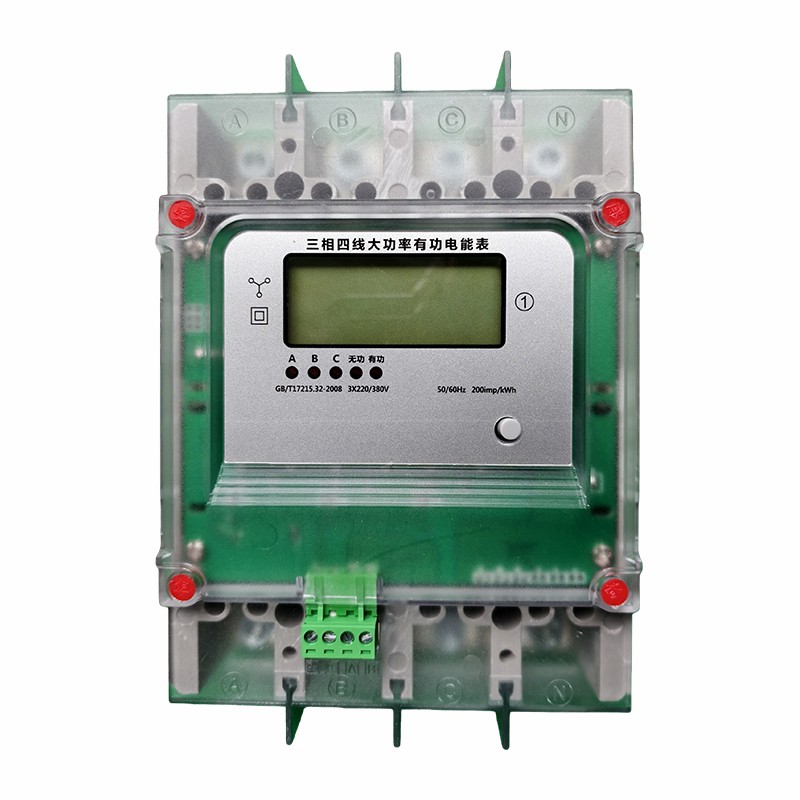

Understanding Multi Circuit Single Phase Energy Meters
A Multi Circuit Single Phase Energy Meter is designed to measure the electrical energy consumption in a single - phase electrical system. It has multiple circuits, which allows it to monitor different electrical loads or areas within a single - phase setup. These meters are widely used in residential, commercial, and industrial settings to accurately measure and record energy usage.
The basic principle behind these meters is to measure the voltage and current in the electrical circuit and then calculate the power (P = VI) and energy consumption over time. They are equipped with advanced sensors and microprocessors that can handle various electrical parameters and provide accurate readings.
Measuring Low - Power Loads
Low - power loads are electrical devices that consume a relatively small amount of power. Examples include LED lights, small electronic devices like smartphones chargers, and some low - power appliances. Measuring these loads accurately can be a challenge for energy meters.
One of the main factors that affect the measurement of low - power loads is the meter's minimum measurable power. Each energy meter has a specified minimum power threshold below which it may not be able to provide accurate readings. For a Multi Circuit Single Phase Energy Meter, the ability to measure low - power loads depends on its design and technical specifications.
Some modern Multi Circuit Single Phase Energy Meters are specifically designed to have a low minimum measurable power. These meters use high - precision sensors and advanced signal processing algorithms to detect and measure even the smallest power consumption. For example, they can accurately measure the power consumption of a single LED bulb, which may consume only a few watts.
However, not all Multi Circuit Single Phase Energy Meters are created equal. Some older or lower - end models may have a relatively high minimum measurable power, which means they may not be able to accurately measure very low - power loads. In such cases, the meter may either under - report the energy consumption or fail to detect the load altogether.
Advantages of Using Multi Circuit Single Phase Energy Meters for Low - Power Loads
There are several advantages to using a Multi Circuit Single Phase Energy Meter to measure low - power loads:
- Multiple Load Monitoring: The multi - circuit feature allows for the monitoring of multiple low - power loads simultaneously. This is particularly useful in a residential or commercial setting where there are many small electrical devices. For example, in an office, the meter can monitor the power consumption of individual desktop computers, printers, and other small electronics on different circuits.
- Accurate Energy Management: By accurately measuring low - power loads, users can better manage their energy consumption. They can identify which devices are consuming energy even when not in use (standby power) and take steps to reduce it. This can lead to significant energy savings over time.
- Data Logging and Analysis: Many Multi Circuit Single Phase Energy Meters are equipped with data logging capabilities. They can record energy consumption data over time, which can be used for analysis. This data can help users understand their energy usage patterns and make informed decisions about energy efficiency.
Challenges in Measuring Low - Power Loads
Despite the advantages, there are also some challenges in using Multi Circuit Single Phase Energy Meters to measure low - power loads:
- Noise and Interference: Electrical noise and interference in the circuit can affect the accuracy of the meter's readings, especially for low - power loads. This can be caused by factors such as nearby electrical equipment, power surges, or poor wiring.
- Standards and Calibration: To ensure accurate measurement of low - power loads, the meter needs to be calibrated according to relevant standards. However, calibration can be a complex and time - consuming process, and improper calibration can lead to inaccurate readings.
- Cost: High - precision Multi Circuit Single Phase Energy Meters that can accurately measure low - power loads may be more expensive than standard meters. This can be a deterrent for some users, especially in cost - sensitive applications.
Comparison with Other Types of Energy Meters
When considering the measurement of low - power loads, it is also important to compare Multi Circuit Single Phase Energy Meters with other types of energy meters, such as Single Phase Digital Meter, Three - phase High - power Energy Meter, and 3 Phase Electronic Energy Meter.
- Single Phase Digital Meter: A single - phase digital meter is designed to measure the energy consumption in a single - phase system. While it can measure low - power loads, it may not have the multi - circuit feature of a Multi Circuit Single Phase Energy Meter. This means it can only monitor one load or area at a time.
- Three - phase High - power Energy Meter: As the name suggests, this type of meter is mainly used for high - power three - phase electrical systems. It is not designed for measuring low - power loads and may not be accurate for such applications.
- 3 Phase Electronic Energy Meter: Similar to the three - phase high - power energy meter, a 3 phase electronic energy meter is focused on three - phase systems and may not be suitable for measuring low - power single - phase loads.
Conclusion
In conclusion, a Multi Circuit Single Phase Energy Meter can measure low - power loads, but its effectiveness depends on its design, technical specifications, and calibration. Modern meters with low minimum measurable power and advanced signal processing capabilities are well - suited for this task. They offer several advantages, such as multiple load monitoring, accurate energy management, and data logging. However, there are also challenges, including noise and interference, calibration requirements, and cost.
If you are interested in purchasing a Multi Circuit Single Phase Energy Meter for measuring low - power loads, we are here to help. Our team of experts can provide you with detailed information about our products and assist you in choosing the right meter for your specific needs. We welcome you to contact us for further discussion and to start the procurement process.
References
- Electrical Engineering Handbook, Third Edition, CRC Press
- Standards for Energy Meter Calibration, International Electrotechnical Commission (IEC)
- Research Papers on Energy Metering Technologies, IEEE Transactions on Power Delivery